
When Should You Worry About Lower Abdominal Pain?
- Managing Abdominal Pain
Creation: 23 Sep 2026
Last update: 1 Oct 2026
Lower abdominal pain can range from mild digestive discomfort to a sign of a more serious condition. This article explains common causes, warning symptoms that need medical attention, when pain is less concerning, and how to know when it's time to see a doctor.
Lower abdominal pain is one of the most common health complaints, but not all stomach discomfort is the same. While many cases resolve on their own, there are clear signs of abdominal pain that need treatment and should never be ignored. Understanding when severe stomach cramps require a doctor's attention can help you seek care before a potentially serious condition worsens.
Knowing the difference between minor discomfort and a serious warning sign could make all the difference for your health.
What Causes Lower Abdominal Pain?
Lower abdominal pain can stem from a wide range of causes, from digestive issues to reproductive and urinary conditions. The location, intensity, and duration of the pain are all important clues 3. Common causes include:
Indigestion or gas
Often causes cramping or a bloated feeling that passes within hours
Irritable Bowel Syndrome (IBS)
A chronic digestive condition that causes recurring cramping, bloating, and bowel changes 1.
Urinary Tract Infections (UTIs)
Typically felt as a dull ache in the lower abdomen, often accompanied by a burning sensation when urinating
Menstrual cramps
A frequent cause of lower abdominal pain in women, usually manageable with rest and over-the-counter relief.
Appendicitis
A medical emergency that begins with pain around the navel before shifting to the lower right abdomen.
Ovarian cysts or pelvic inflammatory disease (PID)
Conditions affecting the female reproductive system that can cause persistent or sharp pelvic pain.
Stress-related digestive discomfort
Emotional stress may contribute to stomach and intestinal cramps in some people and can sometimes worsen existing digestive conditions.
Understanding what type of pain you're experiencing is the first step to knowing whether it warrants medical attention.
What Are the Signs Abdominal Pain Needs Treatment?
The key signs of abdominal pain include sudden severe pain, fever, vomiting, blood in stool or urine, and pain that does not improve after 24 to 48 hours. Any of these symptoms alongside lower abdominal discomfort warrants prompt medical evaluation 3.
Seek medical attention right away if you notice any of the following:
-
Sudden, severe lower belly pain that comes on without warning
-
Pain that is sharp, stabbing, or worsening over time
-
Fever above 38°C accompanying abdominal pain
-
Nausea and vomiting that prevent you from keeping food or fluids down
-
Blood in your stool or urine
-
Swelling or rigidity of the abdomen to the touch
-
Pain that spreads to your back, chest, or shoulders
-
Difficulty urinating, or pain during urination
-
In women: unusual vaginal discharge or bleeding alongside pelvic pain
These are not symptoms to "wait out." If you experience severe lower belly pain symptoms alongside any of the above, visit a doctor or emergency room as soon as possible.
When Is Lower Abdominal Pain Less Serious?
Not all stomach pain is an emergency. Mild abdominal discomfort is often linked to everyday digestive issues.
You may be able to manage pain at home if:
-
The pain is mild and comes and goes
-
It is related to eating, such as bloating after a heavy meal
-
You have no accompanying fever, vomiting, or bleeding
-
The pain improves within a few hours with rest or over-the-counter medication
-
The discomfort is consistent with a known condition, such as menstrual cramps or Irritable Bowel Syndrome (IBS)
Even in these cases, if the pain becomes a pattern, recurring week after week, it is worth discussing with a healthcare professional.
What Is Persistent Stomach Pain, and When Does It Become a Concern?
Persistent stomach pain refers to abdominal discomfort that lasts more than a few days or keeps coming back over time. Unlike acute pain that is sharp and sudden, persistent pain can be dull, crampy, or pressure-like, and it's easy to dismiss.
However, persistent stomach pain should not be ignored if it:
-
Lasts longer than two weeks without a clear explanation
-
Is disrupting your sleep or daily activities
-
Is accompanied by unexplained weight loss or fatigue
-
Worsens after eating certain foods, or has no predictable pattern
-
Comes with changes in bowel habits (constipation, diarrhea, or alternating between both)
Persistent stomach pain can be a sign of underlying conditions such as IBS, inflammatory bowel disease (IBD), endometriosis, or even early-stage digestive issues that respond well to treatment when caught early 1.
Lower Abdominal Pain in Children and the Elderly: Extra Caution Required
Children and elderly individuals may not always accurately describe their pain, making it more challenging to assess severity. In children, unexplained stomach pain with fever, vomiting, or refusal to eat should always be assessed by a doctor. In older adults, abdominal pain can sometimes present with fewer "textbook" symptoms, meaning a condition like appendicitis or an intestinal obstruction may not feel intensely painful yet still require urgent care 3.
How to Describe Your Pain to a Doctor
To get the most accurate diagnosis, be ready to answer these questions when you visit a healthcare provider:
-
Where exactly is the pain? (upper, lower, left, right, or all over)
-
When did it start? (suddenly or gradually)
-
What does it feel like? (cramping, sharp, dull, burning)
-
What makes it better or worse? (eating, movement, bowel movements)
-
Are there other symptoms? (fever, nausea, bloating, changes in urination or bowel habits)
Being specific helps your doctor identify the right cause faster and get you the relief you need sooner.
Managing Lower Abdominal Pain Starts with Knowing Your Symptoms
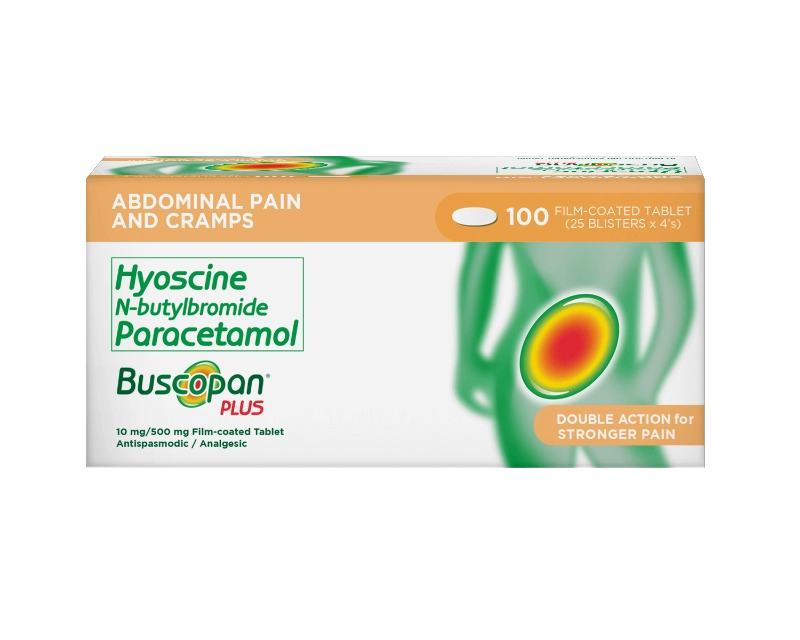
Understanding how to treat abdominal pain is an important part of taking charge of your health. While many cases of mild stomach pain are short-lived and manageable, persistent or severe symptoms should always be taken seriously. For everyday cramping and spasm-related discomfort, the kind caused by digestive issues, IBS, or menstrual pain, Hyoscine N-butylbromide + Paracetamol (Buscopan®) offers targeted relief by relaxing the smooth muscles of the digestive tract to ease cramping and pain 2.
As a trusted name in the Philippines for abdominal and stomach cramp relief, Hyoscine N-butylbromide Paracetamol (Buscopan Venus) can be a helpful part of your toolkit for managing mild-to-moderate lower abdominal pain. Always consult a healthcare professional if your symptoms are severe, persistent, or unusual.
If symptoms persist, consult your doctor.
MAT-PH-2601052 / Ver 1.0 / DA 07-2026 / DM 07-2026
Opella Healthcare Philippines Inc.
FAQs
How Do I Know if My Lower Abdominal Pain Is an Emergency?
Seek emergency care immediately if you experience sudden, severe lower belly pain symptoms accompanied by fever, vomiting, or rigid abdomen. These may indicate serious conditions such as appendicitis or a ruptured cyst that require prompt medical attention.
Can Hyoscine N-butylbromide + Paracetamol (Buscopan®) Help with Lower Abdominal Pain and Cramps?
Hyoscine N-butylbromide + Paracetamol (Buscopan®) is formulated to relieve cramping and spasms in the digestive tract, making it an option for abdominal pain caused by conditions like IBS, gastroenteritis, and menstrual cramps 2.
It works by relaxing the smooth muscles in the gut, easing pain and discomfort. Always use as directed and consult a doctor if your symptoms persist.
What Is the Difference Between Persistent Stomach Pain and Occasional Cramps?
Occasional cramps typically resolve within hours and are often linked to a specific cause, such as eating or menstruation. Persistent stomach pain, on the other hand, lasts several days, recurs frequently, or progressively worsens and may indicate an underlying condition that requires medical diagnosis and treatment.
When Should I See a Doctor Instead of Taking Over-the-Counter Medication?
Over-the-counter options like Hyoscine N-butylbromide + Paracetamol (Buscopan®) can provide relief for mild, spasm-related abdominal pain. However, if your pain is severe, lasts more than 48 hours, or comes with symptoms like fever, blood in stool, or unexplained weight loss, consult a doctor rather than relying solely on self-medication.
Learn more

- Abdominal Pain
- Diet
Diet and Abdominal Pain
Abdominal pain can be influenced by various dietary factors, with some foods causing inflammation or irritating the digestive system while others help soothe and promote healing. Foods rich in fiber, like fruits and vegetables, can aid

- Stomach Cramps
- Stress
Uncovering the Hidden Causes of Stomach Cramps
When you feel the sharp, stabbing pain of a stomach cramp, your first instinct may be to dismiss it as a passing discomfort, hoping it will

- Abdominal Pain
Embrace Relief: Understanding Women's Abdominal Pain
Abdominal pain is something many women experience, and it can range from mild discomfort to severe stomach pain, a real showstopper. It's time to break the silence and get to the heart of the

- About Belly Pain
Abdominal Pain in Men: Symptoms, Causes, Treatments
Every fan of football, hockey, or slapstick humor will be familiar with at least one form of male abdominal pain: and that’s getting kicked or hit in the groin. But there are many others, and while you can’t do much about the latter except apply ice and
Find your product
.2025-12-12-15-03-43.webp)
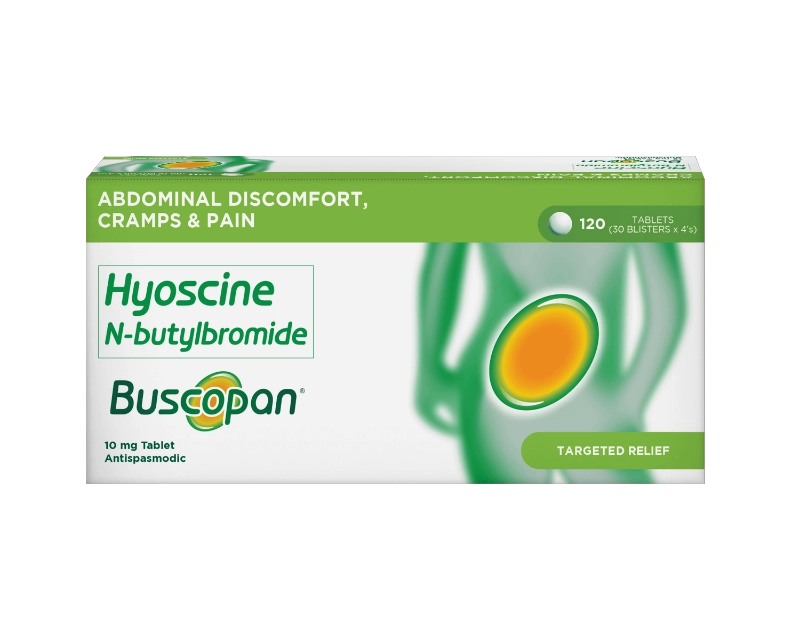
Hyoscine N-butylbromide + Paracetamol (Buscopan® Venus)
- Mild to Strong Dysmenorrhea
- Adults and children +10
- Tablets
References
- Gwee, K. A., Bak, Y. T., Ghoshal, U. C., Gonlachanvit, S., Lee, O. Y., Fock, K. M., Chua, A. S., Lu, C. L., Goh, K. L., Kositchaiwat, C., Makharia, G., Park, H. J., Ke, M., Fukudo, S., Choi, M. G., Bhatia, S., & Sollano, J. (2010). Asian consensus on irritable bowel syndrome. Journal of Gastroenterology and Hepatology, 25(7), 1189–1205. https://doi.org/10.1111/j.1440-1746.2010.06353.x
- Müller-Lissner, S., Tytgat, G. N. J., Paulo, L. G., Quigley, E. M., Bubba, F., Layer, P., & Chaussade, S. (2006). Placebo- and paracetamol-controlled study on the efficacy and tolerability of hyoscine butylbromide in the treatment of patients with recurrent crampy abdominal pain. Alimentary Pharmacology & Therapeutics, 23(12), 1741–1748. https://doi.org/10.1111/j.1365-2036.2006.02939.x
- Viniol, A., Keunecke, C., Biroga, T., Stadje, R., Dornieden, K., Bösner, S., Donner-Banzhoff, N., Haasenritter, J., & Becker, A. (2014). Studies of the symptom abdominal pain—A systematic review and meta-analysis. Family Practice, 31(5), 517–529. https://doi.org/10.1093/fampra/cmu036