
Why Are My Period Cramps So Painful and What Can Help Relieve Them?
- Menstrual Cramps
- Managing Abdominal Pain
Creation: 10 Sep 2026
Last update: 5 Oct 2026
Painful period cramps are often caused by strong uterine contractions and higher prostaglandin levels. This article explains why cramps can feel more intense for some women and shares practical relief strategies, including heat, exercise, hydration, stress management, and OTC options.
Severe period cramps relief often starts with understanding why the pain happens in the first place. Many women experience lower abdominal cramps during their period, which can range from mild discomfort to pain that affects daily activities 7 .
The good news? With the right approach to menstrual cramps management, you can take steps to ease the discomfort and get back to your day. If you're looking for ways to get rid of menstrual cramps fast, a combination of lifestyle measures and appropriate relief options may help manage symptoms more effectively.
What Causes Intense Period Cramps?
Painful menstrual cramps are medically known as dysmenorrhea. If you've ever wondered what dysmenorrhea is, it refers to the cramping pain that occurs before or during menstruation and is often linked to uterine contractions and prostaglandin production.
Intense cramps are linked to natural substances called prostaglandins, which the body releases to help the uterus contract. Higher levels of prostaglandins are associated with stronger contractions and more painful periods 4.
Common factors that may contribute to painful periods include:
-
High prostaglandin levels, which can cause stronger uterine contractions 5
-
Younger age, as cramps are often more intense during the teen years and early twenties 6
-
Heavy menstrual flow, which may be linked to more discomfort 6
-
Stress and fatigue can make pain feel more noticeable 8
-
Family history, since painful periods can run in families 6
If your cramps are unusually severe, last longer than usual, or come with other symptoms, it's a good idea to consult a doctor. Sometimes intense pain can be related to underlying conditions that need professional care 7
<H2> Why Do Cramps Feel Worse for Some Women?
Cramps feel worse for some women because of differences in prostaglandin levels, overall health, and individual pain sensitivity. Two people can experience the same biological process very differently 5
Lifestyle also plays a role. Lack of sleep, poor diet, dehydration, and high stress can all make cramps feel more intense 8. This is why menstrual cramps management often works best when it combines lifestyle habits with targeted relief. For many women, lower abdominal cramps during their period are the most noticeable symptom, although the intensity and duration can vary from person to person.
How Can You Find Painful Period Relief?
Painful period relief usually involves a mix of simple home remedies, lifestyle adjustments, and appropriate over-the-counter options. Here are practical steps that many women find helpful:
1. Apply Heat
Placing a warm compress or hot water bottle on your lower abdomen may help relax the muscles and ease cramping. A warm bath can offer similar comfort 1.
2. Stay Active
Gentle movement like walking, stretching, or light yoga can support better circulation and may help reduce discomfort during your period 2.
3. Watch What You Eat and Drink
Staying hydrated and choosing balanced meals can support your body during menstruation. Some women find it helpful to limit very salty, sugary, or caffeinated items when cramps strike 3.
4. Rest and Manage Stress
Quality sleep and stress-reducing activities, like deep breathing or quiet downtime, may help your body cope with monthly discomfort more comfortably 8.
5. Consider Over-the-Counter Options
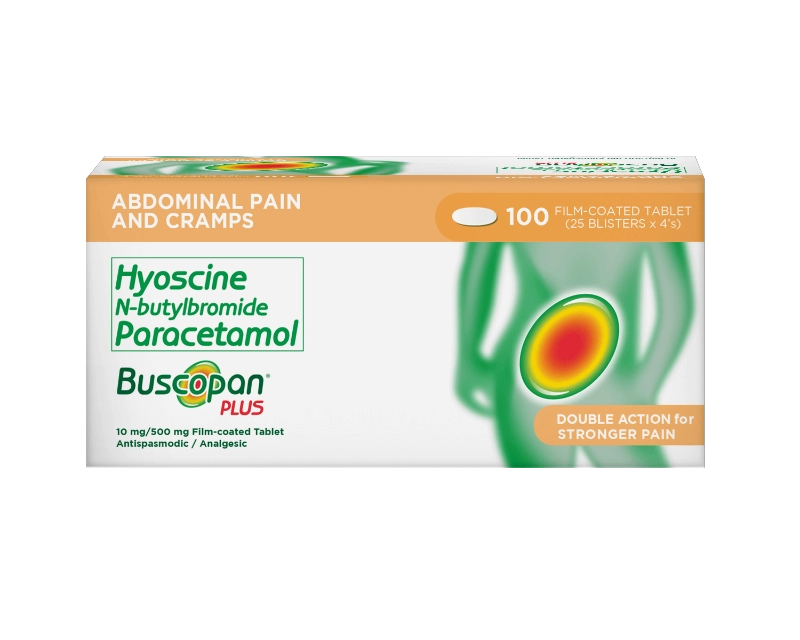
For severe period cramps relief, some people turn to over-the-counter products designed to target cramping. Hyoscine N-Butylbromide Paracetamol (Buscopan Venus) is an option that helps relieve abdominal cramps and spasms associated with menstruation 7. Always read the label and follow the directions for use. If symptoms persist, consult your doctor or pharmacist.
When Should You See a Doctor?
You should see a doctor if your cramps are severe, getting worse over time, or interfering with daily life. Seek professional advice if you also notice very heavy bleeding, irregular cycles, or pain outside of your period 7.
A healthcare professional can help identify whether your cramps are typical or linked to a condition that needs further attention. Effective menstrual cramps management sometimes requires personalized guidance.
Find Comfort During Your Period
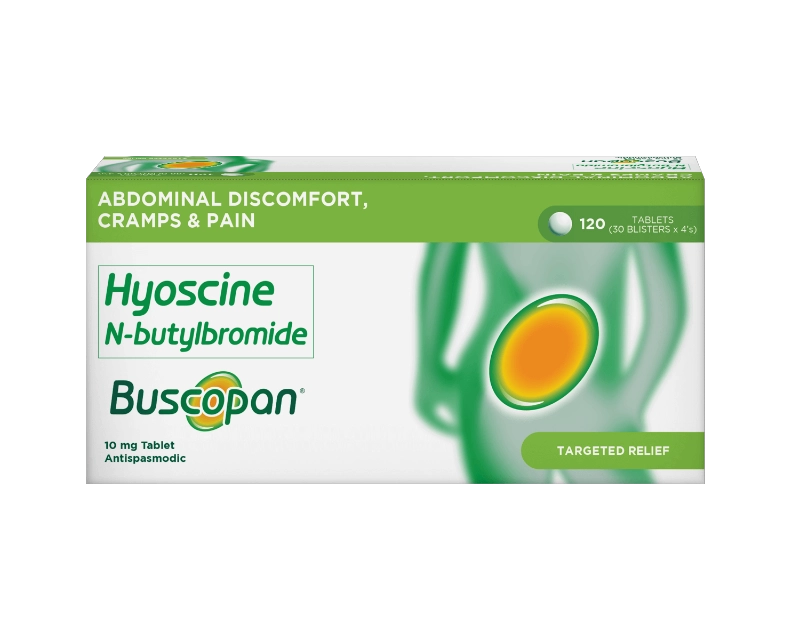
Period cramps don't have to take over your day. By combining simple habits like applying heat, staying active, and resting with suitable relief options, you can support more comfortable periods. For abdominal cramps and spasms associated with menstruation, Hyoscine N-butylbromide (Buscopan®) offers targeted relief to help you get back to the things you love.
Always read the label and use only as directed; if symptoms persist, talk to your doctor or pharmacist.
FAQs
How can I get fast relief from severe period cramps?
Many people combine heat, rest, hydration, and gentle movement for relief. For abdominal cramps and spasms, Hyoscine N-butylbromide (Buscopan®) is an option that targets this type of discomfort—always follow the directions on the label, and consult your doctor if symptoms persist.
Can Hyoscine N-butylbromide (Buscopan®) help with menstrual cramps
Hyoscine N-butylbromide (Buscopan®) helps relieve abdominal cramps and spasms, including those associated with menstruation. As with any medicine, read the label, follow the recommended dosage, and speak with a pharmacist or doctor if you have questions.
Are painful periods normal?
Mild to moderate cramps are common during menstruation and often manageable at home. However, very intense or worsening cramps are worth discussing with a doctor to rule out underlying causes.
Learn more
- Abdominal-Pain
Why Do I Have Lower Belly Pain Even Without My Period?
- Stomach-Cramps
When Do Period Cramps Start and How Can You Relieve Them Early?
- Menstrual Cramps
- Stomach Cramps
Pain Relief for Menstrual Cramps: What Causes Period Cramps?
Wondering why your periods are so painful? Find out the key causes of period cramps and explore simple, effective pain relief for menstrual cramps.
- Menstrual Cramps
- Stomach Cramps
How to Manage Dysmenorrhea at Work or School Effectively
Struggling with dysmenorrhea at work or school? Get practical pain relief tips, comfort strategies, and daily management advice to help you stay comfortable and productive.
Find your product
.2025-12-12-16-03-43.webp)
Hyoscine N-butylbromide + Paracetamol (Buscopan® Venus)
- Mild to Strong Dysmenorrhea
- Adults and children +10
- Tablets
References
- Akin, M. D., Weingand, K. W., Hengehold, D. A., Goodale, M. B., Hinkle, R. T., & Smith, R. P. (2001). Continuous low-level topical heat in the treatment of dysmenorrhea. Obstetrics & Gynecology, 97(3), 343–349. https://doi.org/10.1016/s0029-7844(00)01163-7
- Armour, M., Ee, C. C., Naidoo, D., Ayati, Z., Chalmers, K. J., Steel, K. A., de Manincor, M. J., & Delshad, E. (2019). Exercise for dysmenorrhoea. Cochrane Database of Systematic Reviews, 2019(9), CD004142. https://doi.org/10.1002/14651858.CD004142.pub4
- Bajalan, Z., Alimoradi, Z., & Moafi, F. (2019). Nutrition as a potential factor of primary dysmenorrhea: A systematic review of observational studies. Gynecologic and Obstetric Investigation, 84(3), 209–224.
- Berkley, K. J. (2013). Primary dysmenorrhea: An urgent mandate. Pain: Clinical Updates, 21(3), 1–8. International Association for the Study of Pain.
- Iacovides, S., Avidon, I., & Baker, F. C. (2015). What we know about primary dysmenorrhea today: A critical review. Human Reproduction Update, 21(6), 762–778. https://doi.org/10.1093/humupd/dmv039
- Ju, H., Jones, M., & Mishra, G. (2014). The prevalence and risk factors of dysmenorrhea. Epidemiologic Reviews, 36(1), 104–113. https://doi.org/10.1093/epirev/mxt009
- Proctor, M., & Farquhar, C. (2006). Diagnosis and management of dysmenorrhoea. BMJ, 332(7550), 1134–1138. https://doi.org/10.1136/bmj.332.7550.1134
- Wang, L., Wang, X., Wang, W., Chen, C., Ronnennberg, A. G., Guang, W., Huang, A., Fang, Z., Zang, T., Wang, L., & Xu, X. (2004). Stress and dysmenorrhoea: A population based prospective study. Occupational and Environmental Medicine, 61(12), 1021–1026. https://doi.org/10.1136/oem.2003.012302