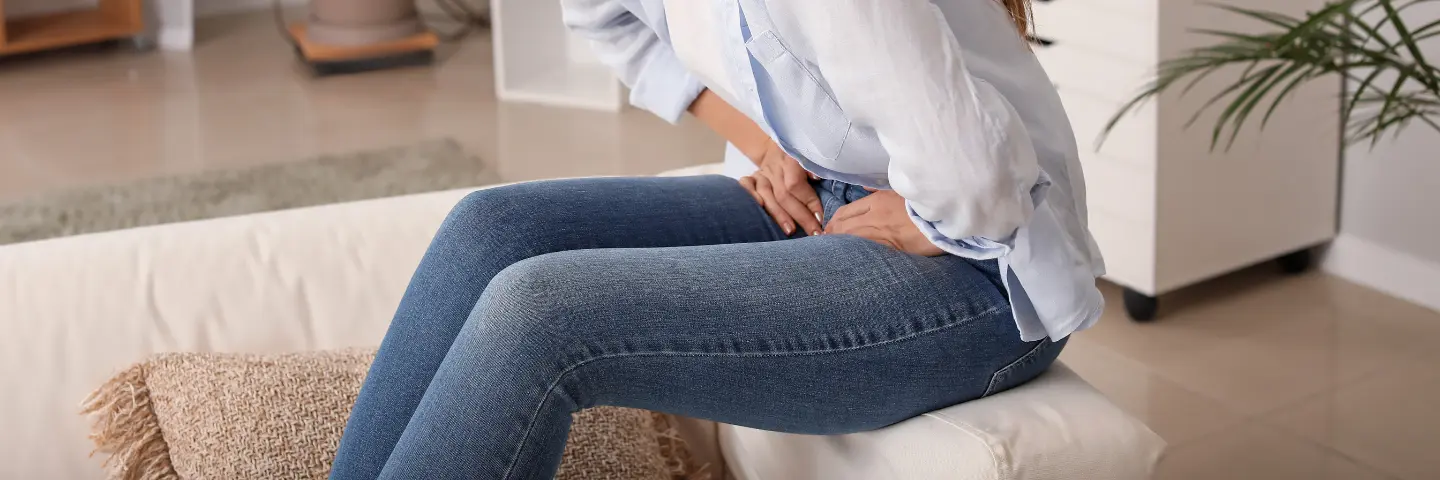
Why Are My Period Cramps Worse Some Months?
- Menstrual Cramps
Creation: 23 Sep 2026
Last update: 23 Sep 2026
Period cramps can vary from month to month due to hormonal changes, stress, sleep, diet, hydration, and activity levels. This article explains why some cycles feel more painful and share practical ways to manage cramps through self-care and symptom relief
If you've ever wondered why your period cramps are worse during certain months, you're not alone. Many Filipinas notice that some periods feel manageable, while others come with lower abdominal cramps during their period that make it hard to focus on work, school, or family. The intensity of menstrual cramps can change from cycle to cycle due to hormones, stress, lifestyle, and other everyday factors 1.
This article breaks down the common reasons behind painful menstruation and shares practical tips to help you feel more comfortable each month.
Why Are My Period Cramps Worse Some Months?
Period cramps can feel worse some months because of shifting hormone levels, higher stress, poor sleep, or changes in diet and activity. These factors can affect how strongly the uterus contracts, which influences how intense your cramps feel 2.
Menstrual cramps happen when the uterus contracts to shed its lining. A natural substance called prostaglandins triggers these contractions. When prostaglandin levels are higher, contractions can be stronger, leading to more noticeable discomfort during that particular cycle 3.
Painful menstrual cramps are medically known as dysmenorrhea. If you've ever wondered what dysmenorrhea is, it is the clinical term used to describe the cramping pain associated with menstruation.
What Causes Severe Cramps During Your Period?
Several everyday factors can contribute to severe cramps during your period. While each body is different, these are some of the most common reasons cramps feel more intense from month to month 4.
1. Hormonal Changes
Hormones naturally fluctuate throughout your cycle. Months with higher prostaglandin levels often bring stronger uterine contractions, which can make cramps feel sharper than usual 3.
2. Stress and Emotional Strain
Stress is one of the most common painful causes of menstruation. When you're under pressure—whether from work, studies, or daily responsibilities—your body may experience tenser muscles and heightened sensitivity to pain, making cramps feel worse 5.
3. Lack of Sleep
Poor or irregular sleep can affect your body's ability to manage discomfort. Months when you're running low on rest may coincide with more intense cramps 6.
4. Diet and Hydration
Salty, sugary, or processed foods can contribute to bloating and water retention, which may worsen the feeling of cramps. Not drinking enough water can have a similar effect 4.
5. Low Physical Activity
Movement helps improve blood flow and can ease muscle tension. During months when you're less active, you might notice cramps feel more bothersome 7.
6. Changes in Your Cycle
A late, early, or irregular period can come with different hormone patterns, which may explain why cramps feel different from one month to the next 4.
How Can You Ease Period Cramps at Home?
If you're asking for period cramps, what helps, warmth, gentle movement, hydration, and rest are among the most commonly recommended self-care approaches. These simple habits may help relax the muscles and improve comfort during your period 7.
-
Apply a warm compress to your lower abdomen to help relax the muscles.
-
Stay hydrated by drinking plenty of water throughout the day.
-
Do light exercise such as walking or gentle stretching to support blood flow.
-
Prioritize rest and aim for consistent, quality sleep.
-
Choose balanced meals and limit overly salty or sugary foods around your period.
If cramps are severe, persistent, or affect your daily routine, it's a good idea to consult a healthcare professional for personalized advice.
Finding Comfort During Your Period with
Period cramps that vary from month to month are common, and understanding the possible causes can help you feel more in control of your cycle. When you need help managing abdominal cramps and spasms, Hyoscine N-butylbromide + Paracetamol (Buscopan®) is formulated to help relieve cramping discomfort so you can get back to your day. Always read the label and use only as directed, and consult your doctor or pharmacist if symptoms persist.
If symptoms persist, consult your doctor.
MAT-PH-2601052 / Ver 1.0 / DA 07-2026 / DM 07-2026
Opella Healthcare Philippines Inc.
FAQs
Why are my period cramps suddenly worse than usual?
Sudden changes in cramp intensity are often linked to hormones, stress, poor sleep, or lifestyle changes during that cycle. If you need relief from cramps, Hyoscine N-butylbromide + Paracetamol may help soothe stomach and abdominal cramps. For severe or unusual pain, it's best to speak with a healthcare professional.
Can Hyoscine N-butylbromide + Paracetamol (Buscopan®) help with period cramps?
Hyoscine N-butylbromide + Paracetamol (Buscopan®) is designed to help relieve abdominal cramps and spasms, including those that may occur during menstruation. Always read the label and follow the directions for use or ask your doctor or pharmacist if symptoms persist.
When should I see a doctor for painful menstruation?
Consider seeing a doctor if your cramps are severe, last longer than usual, or interfere with your daily activities. A healthcare professional can help identify painful menstruation causes and recommend the right approach for you.
Learn more
- Menstrual-Cramps
Why Are My Period Cramps So Painful and What Can Help Relieve Them?
- Abdominal-Pain
Why Do I Have Lower Belly Pain Even Without My Period?
- Stomach-Cramps
When Do Period Cramps Start and How Can You Relieve Them Early?
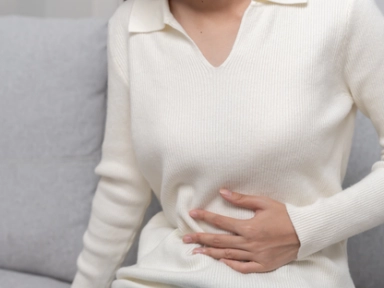
- Menstrual Cramps
- Stomach Cramps
Pain Relief for Menstrual Cramps: What Causes Period Cramps?
Wondering why your periods are so painful? Find out the key causes of period cramps and explore simple, effective pain relief for menstrual cramps.
Find your product
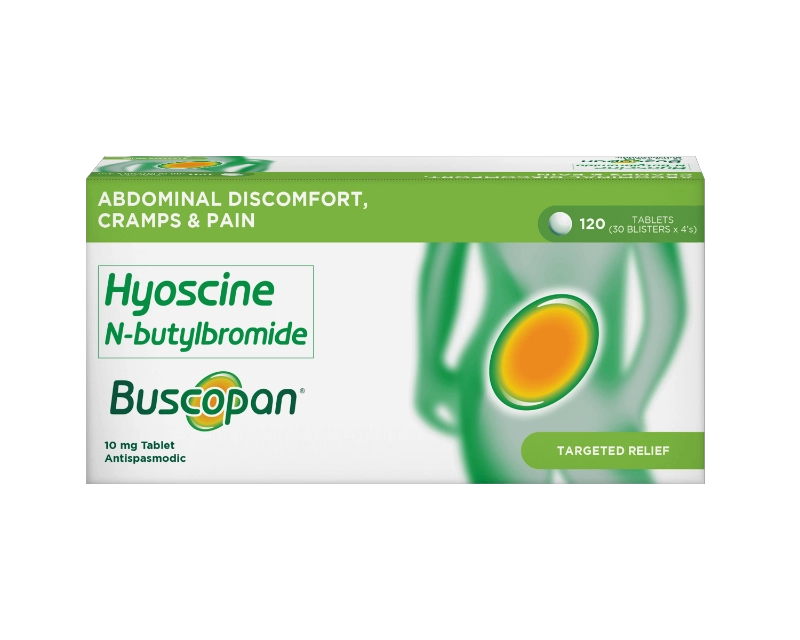
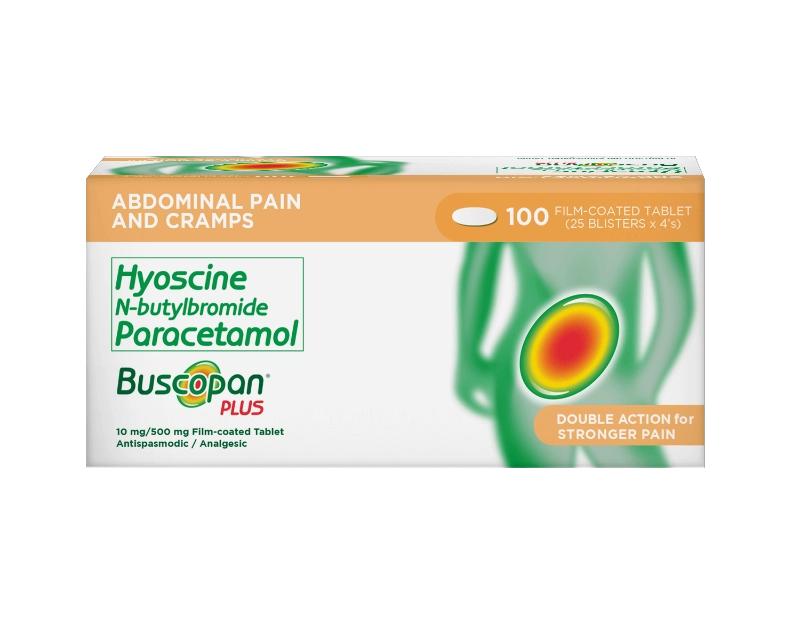

Hyoscine N-butylbromide + Paracetamol (Buscopan® Venus)
- Mild to Strong Dysmenorrhea
- Adults and children +10
- Tablets
References
- Iacovides, S., Avidon, I., & Baker, F. C. (2015). What we know about primary dysmenorrhea today: A critical review. Human Reproduction Update, 21(6), 762–778. https://doi.org/10.1093/humupd/dmv039
- Ju, H., Jones, M., & Mishra, G. (2014). The prevalence and risk factors of dysmenorrhea. Epidemiologic Reviews, 36(1), 104–113. https://doi.org/10.1093/epirev/mxt009
- Dawood, M. Y. (2006). Primary dysmenorrhea: Advances in pathogenesis and management. Obstetrics & Gynecology, 108(2), 428–441. https://doi.org/10.1097/01.AOG.0000230214.26638.0c
- Berkley, K. J. (2013). Primary dysmenorrhea: An urgent mandate. Pain: Clinical Updates, 21(3), 1–8. International Association for the Study of Pain.
- Wang, L., Wang, X., Wang, W., Chen, C., Ronnennberg, A. G., Guang, W., Huang, A., Fang, Z., Zang, T., Wang, L., & Xu, X. (2004). Stress and dysmenorrhoea: A population-based prospective study. Occupational and Environmental Medicine, 61(12), 1021–1026. https://doi.org/10.1136/oem.2003.012302
- Baker, F. C., Driver, H. S., Rogers, G. G., Paiker, J., & Mitchell, D. (1999). High nocturnal body temperatures and disturbed sleep in women with primary dysmenorrhea. American Journal of Physiology-Endocrinology and Metabolism, 277(6), E1013–E1021. https://doi.org/10.1152/ajpendo.1999.277.6.E1013
- Armour, M., Ee, C. C., Naidoo, D., Ayati, Z., Chalmers, K. J., Steel, K. A., de Manincor, M. J., & Delshad, E. (2019). Exercise for dysmenorrhoea. Cochrane Database of Systematic Reviews, 2019(9), CD004142. https://doi.org/10.1002/14651858.CD004142.pub4