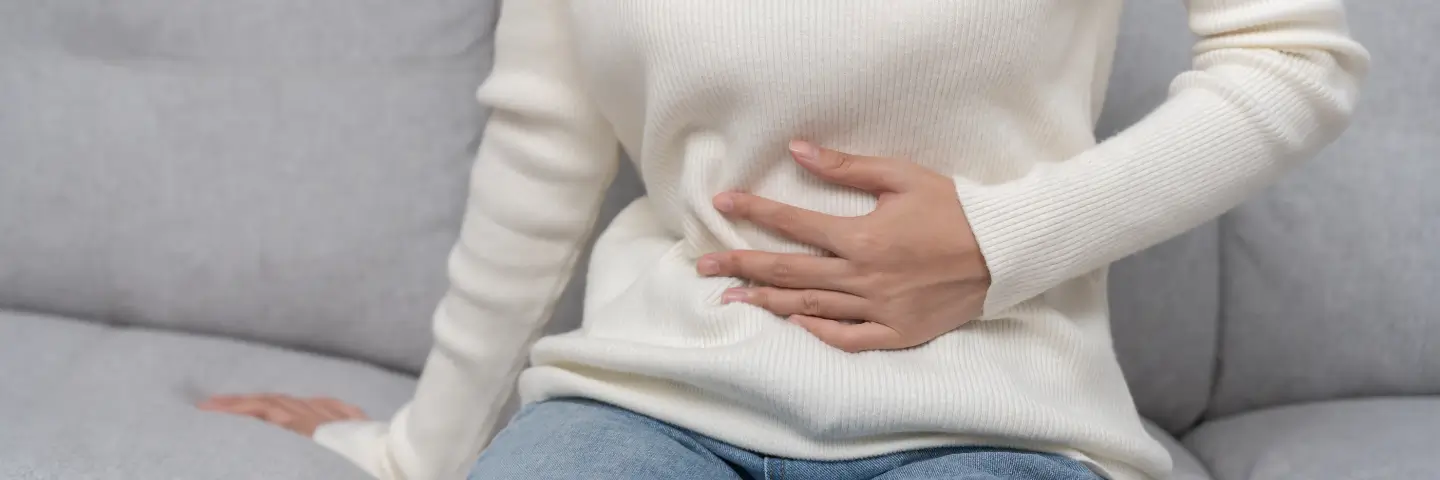
Pain Relief for Menstrual Cramps: Understanding the Causes of Period Cramps
Menstrual cramps are caused by prostaglandins that trigger uterine muscle contractions, temporarily reducing blood flow and oxygen. Pain severity varies by hormone levels and conditions. Understanding these causes helps guide relief through heat, movement, or antispasmodics.
If you’ve ever struggled to find effective pain relief for menstrual cramps, understanding the causes of period cramps is a crucial first step. Many people wonder why periods are painful, but the underlying mechanisms are often misunderstood.
Knowing what triggers those cramps is the first step toward finding effective relief options—whether that’s lifestyle adjustments, medical guidance, or antispasmodic products like Hyoscine N-Butylbromide+ Paracetamol (Buscopan Venus), which helps target the spasmodic pain associated with menstruation.
Understanding what’s happening in your body can empower you to manage your cycle with greater confidence and comfort.
What Are Menstrual Cramps?
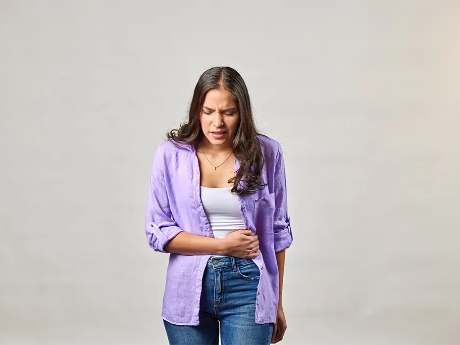
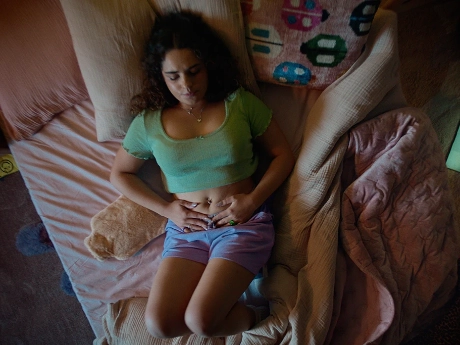
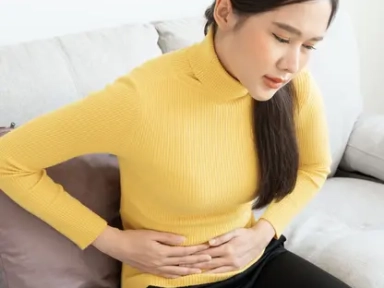
Menstrual cramps, medically known as dysmenorrhea, are throbbing or cramping pains felt in the lower abdomen before or during menstruation. For some, the discomfort is mild and manageable. For others, it's severe enough to disrupt work, school, and daily life.
Understanding why your pain feels so intense starts with understanding what's happening inside your body.
The Role of Prostaglandins
At the center of menstrual cramp pain are chemical compounds called prostaglandins. These are hormone-like substances naturally produced by the lining of the uterus (the endometrium) in the days leading up to your period1.
When menstruation begins and the uterine lining starts to shed, prostaglandins are released in higher concentrations. Their job is to trigger uterine muscle contractions—essentially helping the uterus expel its lining. The higher the level of prostaglandins, the more intense the contractions and the more intense the pain2.
Uterine Muscle Contractions: What's Actually Happening
During menstruation, the uterus contracts rhythmically to help shed its lining. These contractions are similar in mechanism to labor contractions, just far less intense3. Even so, they can be powerful enough to temporarily restrict blood flow to the uterine muscle.
When blood flow is reduced, oxygen delivery to the tissue decreases—and that's where the cramping sensation intensifies. The muscle, deprived of oxygen, triggers pain signals in the same way a calf cramp does during exercise.
This combination of strong contractions and temporary oxygen deprivation is why period pain can feel so visceral and difficult to ignore. It's not just discomfort—it's your body working hard.
Why Periods Are Painful for Some More Than Others
Not everyone experiences the same level of pain, and that's not a matter of pain tolerance. Several factors influence the severity of menstrual cramps:
- Prostaglandin levels: Higher levels mean stronger contractions and more intense pain.
- Age and hormonal fluctuations: Cramps often ease after childbirth or with age, as prostaglandin production can decrease.
- Underlying conditions: Conditions like endometriosis, fibroids, or adenomyosis can significantly worsen menstrual pain by adding inflammation or structural changes to the uterus.
- Lifestyle factors: Stress, poor diet, and lack of physical activity may contribute to more severe cramping for some individuals.
If your period of pain is debilitating or has worsened over time, it's always worth speaking to a healthcare professional to rule out an underlying condition.
Where Does the Pain Spread?
Menstrual cramps don't always stay in the lower abdomen. Because prostaglandins can enter the bloodstream, they may also cause symptoms in other parts of the body—including nausea, diarrhea, headaches, and lower back pain. This explains why, for many people, period pain is a whole-body experience rather than a localized one.
What Can Help?
Once you understand that menstrual cramps are driven by prostaglandins and uterine contractions, it becomes easier to think about pain relief for menstrual cramps in a more targeted way. Common approaches include:
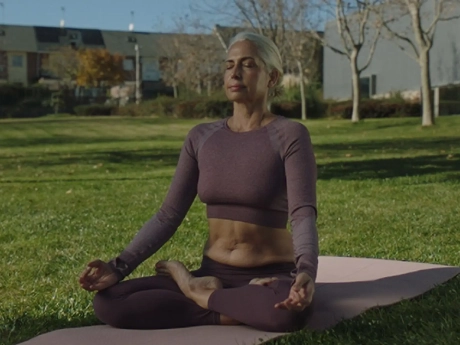
- Heat therapy: Applying a heat pad to the lower abdomen can help relax uterine muscles and improve blood flow.
- Gentle movement: Light exercise like walking or stretching can stimulate circulation and reduce the intensity of cramps.
- Over-the-counter options: Antispasmodic products like Hyoscine N-Butylbromide + Paracetamol (Buscopan Venus) work by relaxing smooth muscle spasms, which may help ease the cramping sensation associated with menstrual pain4. Always read the label and follow the recommended dosage.
Speaking to your doctor or pharmacist is the best way to find a management plan that suits your specific needs.
Looking for relief from cramping and muscle spasms?
Dealing with cramping and muscle spasms during your period? Hyoscine N-Butylbromide + Paracetamol (Buscopan Venus) may help relieve spasmodic pain. Always read the label.
If symptoms persist, see your healthcare professional.
.2026-04-06-17-17-13.webp)
Find your Hyoscine N-Butylbromide + Paracetamol (Buscopan Venus)
Frequently Asked Questions
Why do menstrual cramps hurt so much?
Prostaglandins trigger strong uterine contractions, which reduce oxygen to the muscle and cause the cramping sensation many feel during their period. This is one of the main causes of period cramps and explains why periods are painful for some.
Are menstrual cramps normal?
Effective pain relief for menstrual cramps often includes heat therapy, gentle movement, or antispasmodics like Hyoscine N-Butylbromide + Paracetamol (Buscopan Venus) that help relax smooth muscle spasms. If pain persists or worsens, it's best to speak with a healthcare professional.
What are the causes of period cramps?
The primary causes of period cramps are elevated prostaglandin levels and uterine muscle contractions. Secondary factors can include hormonal imbalances and conditions like endometriosis or fibroids.
Can menstrual cramps be a sign of something more serious?
In some cases, yes. If your cramps are unusually severe, last longer than a few days, or are accompanied by heavy bleeding, consult a doctor to rule out conditions like endometriosis or fibroids.
When should I see a doctor about period pain?
If your cramps stop you from doing daily activities, suddenly become more severe, or come with heavy or unusual bleeding, it’s important to seek medical advice. These symptoms may indicate an underlying condition.
Let your belly pain go





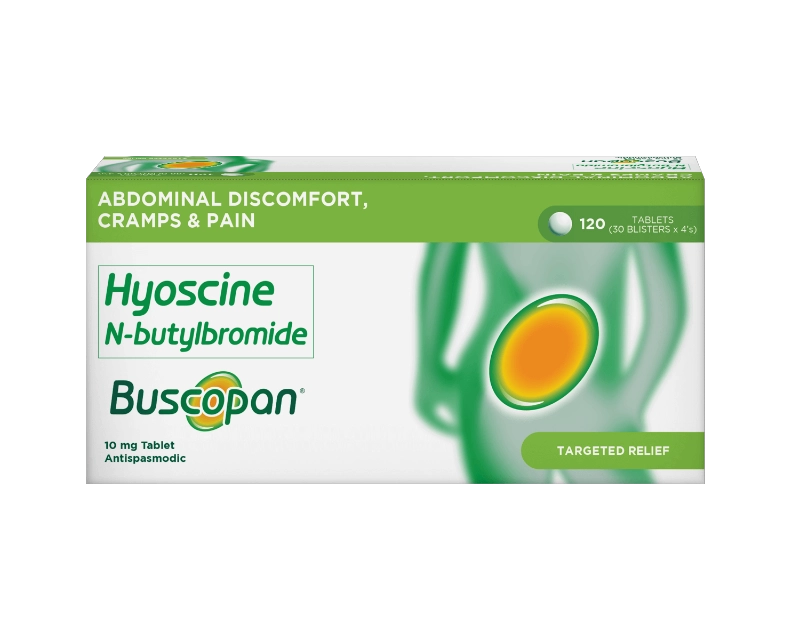
Find your Buscopan®
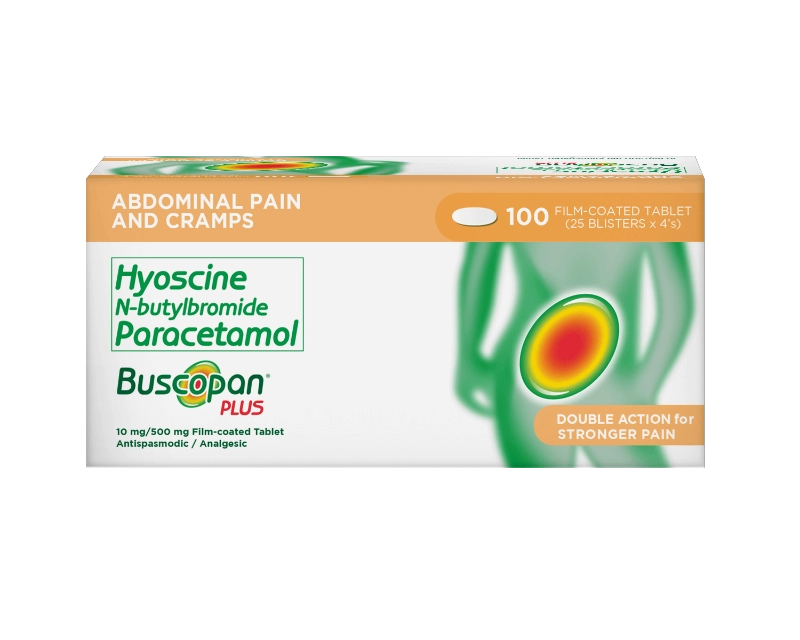
.2025-12-12-16-03-43.webp)
Hyoscine N-butylbromide + Paracetamol (Buscopan® Venus)
- Mild to Strong Dysmenorrhea
- Adults and children +10
- Tablets
References
- Dawood, M.Y. (1981). Dysmenorrhoea and Prostaglandins: Pharmacological and Therapeutic Considerations. Drugs, 22, 42–56. Springer
- Fajrina, I., Alam, G., & Usman, A.N. (2020). Prostaglandin level of primary dysmenorrhea pain sufferers. Enfermería Clínica, 30(S2), 5-9. ScienceDirect
- Baird, D.T., Cameron, S.T., Critchley, H.O.D., Drudy, T.A., Howe, A., Jones, R.L., & Lea, R.G. (1996). Prostaglandins and menstruation. European Journal of Obstetrics & Gynecology and Reproductive Biology, 70(1), 15-17. ScienceDirect
- Thakur, P., & Pathania, A.R. (2022). Relief of dysmenorrhea – A review of different types of pharmacological and non-pharmacological treatments. Materials Today: Proceedings, 48(P5), 1157-1162. ScienceDirect
If symptoms persist, consult your doctor.
MAT-PH-2600738 / Ver 1.0 / DA 05-2026 / DM 05-2026
Opella Healthcare Philippines Inc.