
The role of stress in abdominal pain
- Stress
- Abdominal Pain
- Gut
Creation: 21 Aug 2026
Last update: 21 Aug 2026
Stress doesn’t just affect your mind—it can manifest in your gut3. This article explores the gut-brain axis, showing how chronic stress may trigger abdominal pain through hormones1⁻2 and mental health factors3. It covers stress-related digestive issues3⁻4 and offers holistic strategies—mindfulness, diet, and exercise—to help ease symptoms4⁻5
Ever get belly pain after a tough day at work? You're not alone — many people notice their stomach reacting to pressure and worry1⁻2. Research suggests that stress and abdominal discomfort are often connected3. Let’s explore the connection between stress and abdominal pain and discover strategies to help you manage your gut health and well being.
Let us understand what stress is
Stress is a common experience that affects everyone at some point in their lives. It can stem from various sources, such as work, relationships or personal challenges. Understanding stress involves recognising its signs, causes and the impact it has on mental and physical health. By gaining insight into stress, we can better manage and mitigate its effects, helping to lead to a more balanced and healthy life1⁻2.
But what exactly is stress?
Stress can be defined as a physiological response to external stimuli, triggering a cascade of stress hormones. When you encounter a perceived threat, your body’s defenses kick into high gear in a rapid, automatic process known as the “fight-or-flight” reaction or the stress response. This reaction includes a series of hormonal and physiological changes designed to help you deal with the demanding situation. These changes may include an increased heart rate, elevated blood pressure and a burst of energy, among others. It’s your body’s innate way of reacting to any demand or threat, enabling you to respond quickly and effectively to challenges1.
Triggers of stress
Stress can be triggered by a wide range of situations, from everyday pressures to major life events.
-
Everyday demands. Modern life is full of routine pressures — a heavy workload, paying bills, caring for family or sitting in traffic. Although these situations are rarely life-threatening, the body can still treat them as threats and mount a stress response1⁻2.
-
Significant and psychological stressors. Stress can also stem from a looming work deadline or ongoing worry, such as the fear of losing a job. Stronger reactions are sometimes traced to traumatic experiences, and people who were neglected or abused as children can be especially affected1⁻2.
Body response to stress
When the body encounters a stressor, the brain signals the adrenal glands to release a surge of hormones, including adrenaline and cortisol. Adrenaline makes the heart beat faster and raises blood pressure, pushing blood towards the muscles and giving the body a burst of energy. This is the fight-or-flight response, which prepares us to either confront a threat or flee from it. Normally this system is self-limiting: once the perceived threat has passed, hormone levels fall and heart rate and blood pressure return to normal. Problems arise when the stress response becomes chronic. When stressors are always present and the fight-or-flight reaction stays switched on, the long-term activation of the stress response and prolonged exposure to cortisol can disrupt almost all of the body’s processes, increasing the risk of many health problems over time. This is why managing stress through relaxation, physical activity and adequate rest is so important for overall health and well-being1⁻2.
Stress: psychological impact
Unresolved stress doesn’t just affect your physical wellbeing; it can lead to anxiety, depression and other mental health issues. Over time, this chronic stress can increase the risk of chronic diseases, and negatively impact sleep quality. It’s important to address stress proactively through healthy coping mechanisms, such as regular exercise, mindfulness practices, and seeking support from friends, family or mental health professionals. By managing stress effectively, we can improve both our mental and physical health, helping to lead a more balanced and fulfilling life1-2.
The connection between stress and abdominal pain
In today’s fast-paced world, stress has become a regular part of our lives, affecting not only our mental well-being but also our physical health. We all know, for better or worse, what it is to suffer from stress.The gastrointestinal tract can be sensitive to emotions such as anger, anxiety, sadness – all of which can trigger the symptoms in the gut3.
The gut-brain axis explained
The bidirectional communication system between the gut and the brain helps regulates several bodily functions, including digestion and emotional responses3.
Stress & the gut
Stress and anxiety can affect the movement and contractions of the gut, making it more sensitive and potentially leading to painful gastrointestinal symptoms. They can also contribute to symptoms such as an upset stomach, trembling, muscle aches, insomnia and irritability. Did you know? The relationship between stress, anxiety and IBS isn't fully understood, and it's unclear which comes first — but they often occur together. According to Edward Blanchard, PhD, Professor of Psychology at the State University of New York, around 60% of people with IBS meet the criteria for a psychiatric condition, most commonly generalised anxiety disorder, with a further 20% experiencing depression. One hypothesis is that stress and anxiety may make a person more aware of spasms in the colon.3
Stress hormones & digestion
When we are stressed, the body releases hormones such as cortisol and adrenaline1⁻2. This stress response can affect the movement and contractions of the gut and heighten sensitivity to pain, which may lead to digestive symptoms such as bloating and cramping and can aggravate conditions like irritable bowel syndrome (IBS)3⁻4. Managing stress through techniques like mindfulness, exercise and a balanced diet can help ease these effects and support better digestive health4⁻5.
Psychology & abdominal pain
Because the gut and brain are closely linked, psychological factors like stress and low mood can influence how the gut feels and functions. This may help explain why stress can produce very real physical sensations — from a churning stomach before a stressful event to cramping during demanding times. Understanding this close relationship between mind and gut can be an important part of managing ongoing abdominal pain.3-4
Taking Control: Effective strategies for stress and abdominal pain
Stress can play a role in triggering or worsening IBS symptoms. Fortunately, there are several simple techniques you can use to help manage stress and therefore help reduce your chances of getting belly pain.
Holistic approaches
Holistic approaches such as meditation, breathing exercises, relaxation techniques and yoga may help activate the body's relaxation response and reduce stress. Techniques such as deep breathing and visualisation, where a person imagines a peaceful scene, can help restore a sense of calm and support overall well-being.4-5
The role of exercise
Regular physical activity, such as walking, running and swimming, can help reduce stress and symptoms of depression. Exercise may also support normal bowel function by helping the bowels contract more regularly, rather than overreacting. Including physical activity as part of your routine can therefore help with both stress management and digestive wellbeing.⁻4-5
When you might need extra help
Alongside lifestyle changes, an antispasmodic medicine such as Buscopan IBS Relief can be taken at the first sign of cramping abdominal pain, discomfort in IBS. It starts to work in 15 minutes by targeting the root cause of the belly pain and relaxing the gut muscles without masking the pain.6
Empowering the journey to wellness.
Understanding the multifaceted relationship between stress and abdominal pain, adopting effective coping strategies and prioritising self-care can help manage these challenges. By taking control of our health and well-being, we can make the journey towards wellness and resilience.
Buscopan® IBS Relief is for medically confirmed IBS. It contains hyoscine butylbromide. Always read the label. MAT-XU-2602240 v01 July 2026.
Learn more

- Abdominal-Pain
Abdominal pain and cramping: Strategies for relief

- Abdominal-Pain
Abdominal Pain in Women: Menstrual Cramps & GI

- IBS
Healthy diet for optimal digestive health
- Abdominal Pain
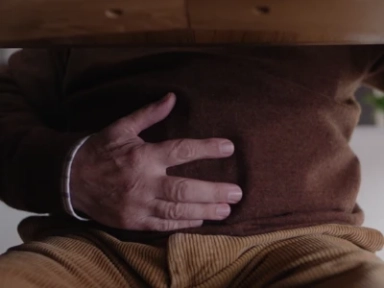
Abdominal Pain in Men
Learn all about abdominal pain: what it is, what might be causing it, and when to see a doctor.
Find your product
-
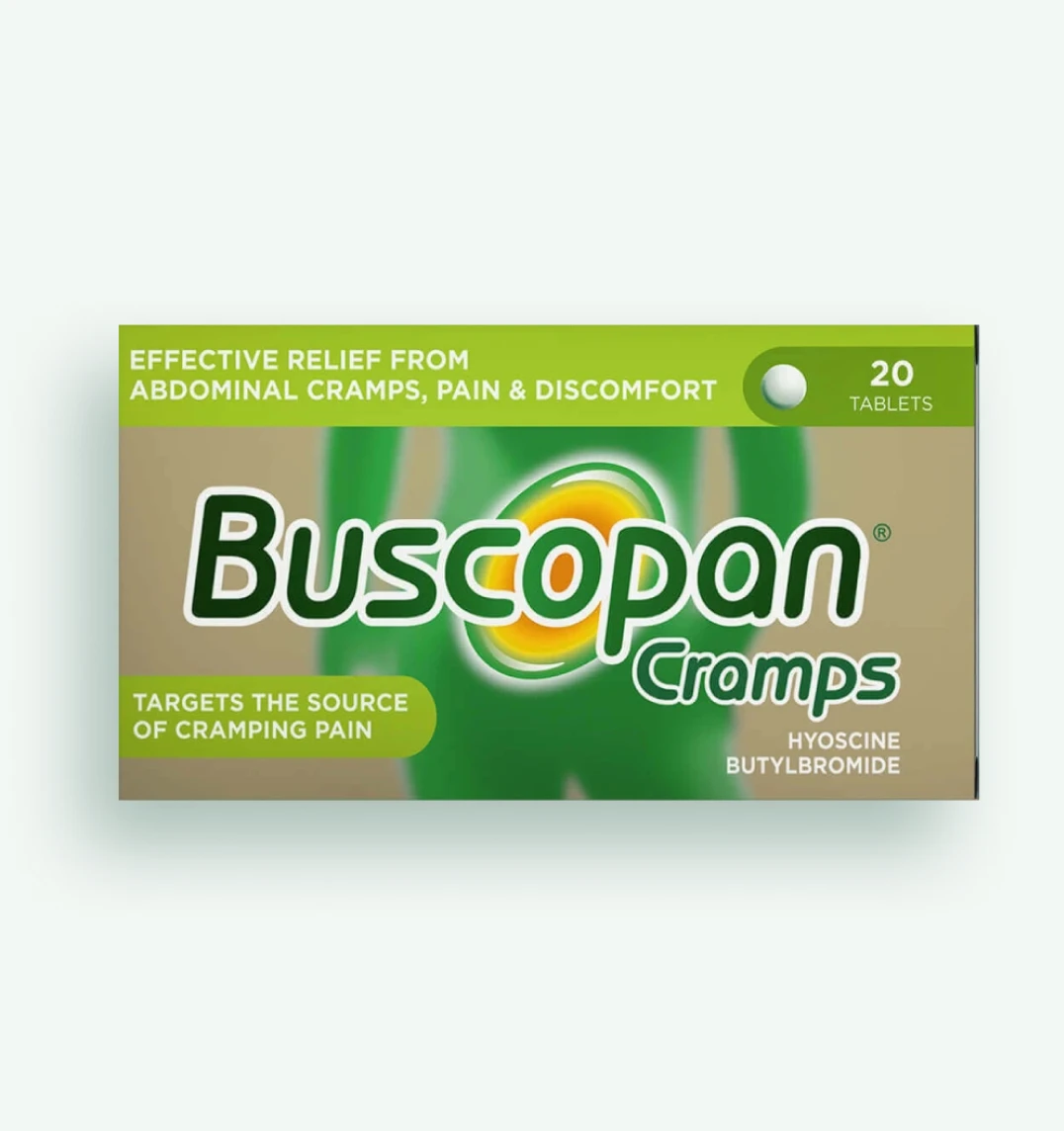
For Abdominal Pain
-
For Abdominal Pain
-
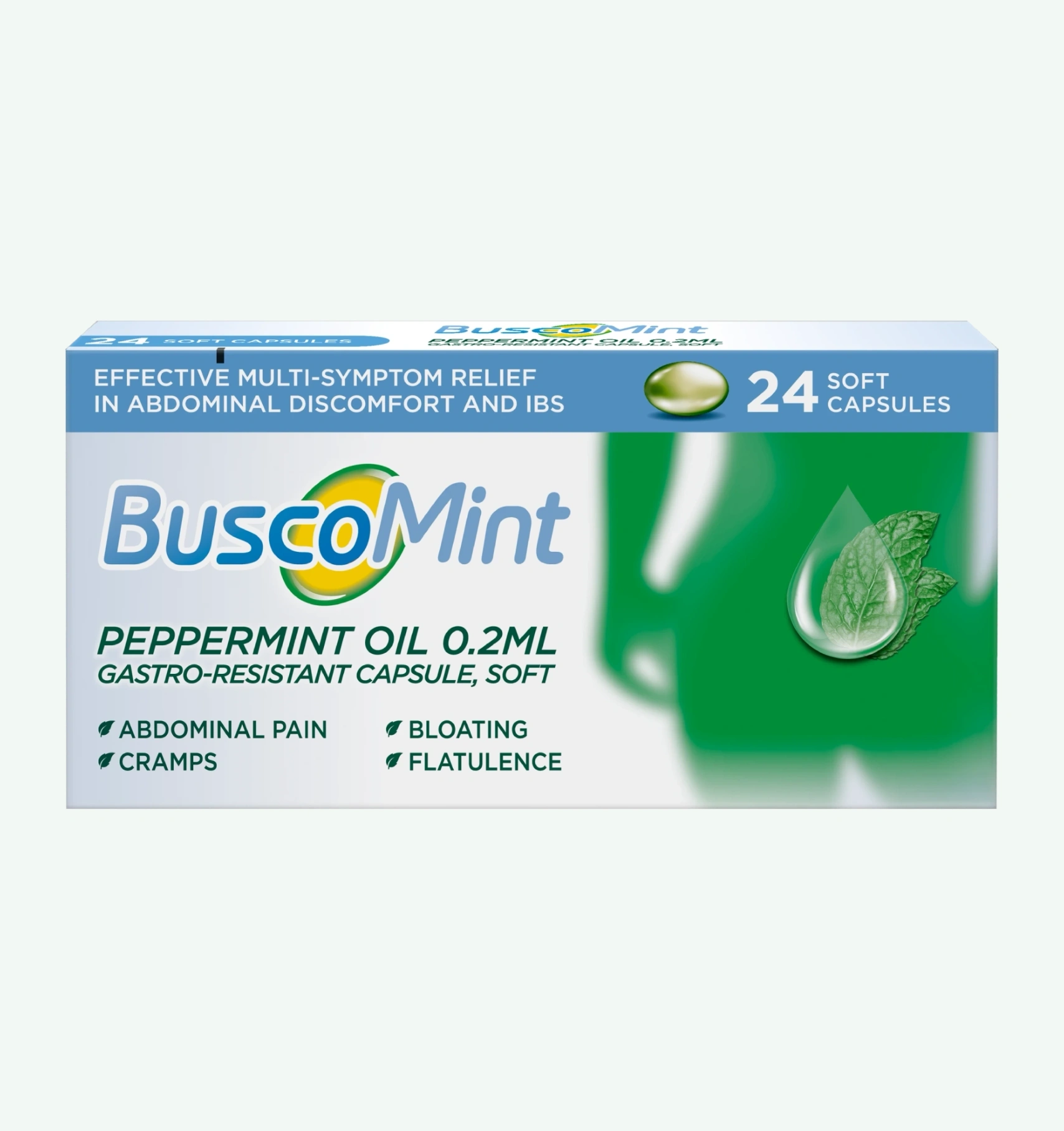
For Irritable Bowel Syndrome (IBS)
-
For Irritable Bowel Syndrome (IBS)
.2025-11-11-10-48-59.webp)
References
- LeWine HE. Understanding the stress response. Harvard Health Publishing. April 3, 2024. Available at: https://www.health.harvard.edu/staying-healthy/understanding-the-stress-response. Accessed July 11, 2024.
- Chronic stress puts your health at risk. Mayo Clinic. August 1, 2023. Available at: https://www.mayoclinic.org/healthy-lifestyle/stress-management/in-depth/stress/art-20046037. Accessed July 11, 2024.
- The gut-brain connection. Harvard Health Publishing. July 18, 2023. Available at: https://www.health.harvard.edu/diseases-and-conditions/the-gut-brain-connection. Accessed July 11, 2024.
- Stress, Anxiety, and Irritable Bowel Syndrome. WebMD. February 8, 2025. Available at: https://www.webmd.com/ibs/stress-anxiety-ibs. Accessed February 10, 2025.
- Diet, lifestyle and medicines for IBS. NHS. Available at: https://www.nhs.uk/conditions/irritable-bowel-syndrome-ibs/diet-lifestyle-and-medicines/. Accessed July 11, 2024.
- Lacy BE, Wang F, Bhowal S, Schaefer E. On-demand hyoscine butylbromide for the treatment of self-reported functional cramping abdominal pain. Scand J Gastroenterol. 2013;48(8):926-935.