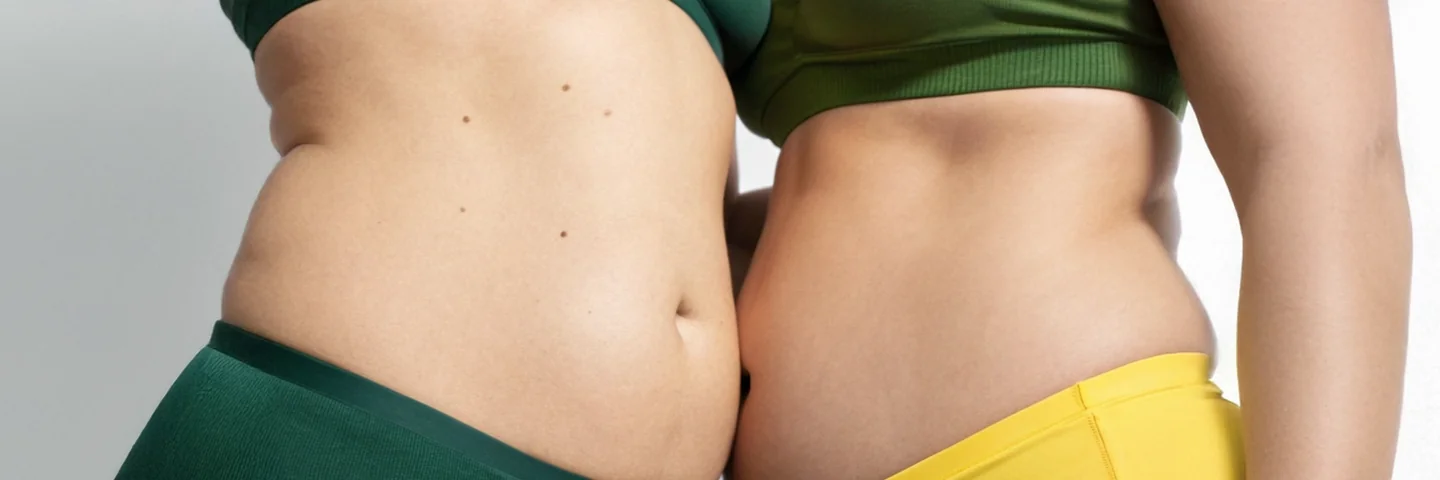
Abdominal Pain in Women: Menstrual Cramps & GI
- Abdominal Pain
Creation: 3 Aug 2026
Last update: 6 Aug 2026
This article explores abdominal pain in women, covering menstrual cramps, IBS, IBD, and non-gynaecological conditions like UTIs and gallstones. It covers different types of period pain, including primary period pain (pain not caused by an underlying medical condition) and secondary period pain (pain caused by an underlying medical condition), the role of hormones, and practical tips on diet, movement, and medications for symptom relief, empowering women to better manage their health.
Abdominal pain is something many women experience, and it can range from mild discomfort to a real showstopper. It’s time to break the silence and get to the heart of the matter! Abdominal pain is a common complaint among women and can have various causes. It can range from mild discomfort to severe agony, affecting daily life and hindering productivity.
In this article, we aim to shed light on the potential causes of abdominal pain in women and provide ways to address them effectively. By understanding these underlying issues and taking necessary measures, we hope to empower women towards better health and well-being.
What is abdominal pain ?
Abdominal pain, also known as stomach ache, is a sensation that can range from mild to severe. It is a common symptom associated with various health conditions, often related to the digestive system. This pain can be caused by numerous factors, including indigestion, constipation, flatulence, or more serious conditions like gallstones or appendicitis1. Identifying the underlying cause is crucial for proper treatment. Maintaining a balanced diet, staying hydrated, and engaging in regular physical activity can help prevent many forms of abdominal discomfort. If the pain persists or is severe or is accompanied by other symptoms like fever, vomiting, or significant weight loss, it is important to seek medical advice promptly1.
What are menstrual cramps ?
Menstrual cramps are a common and often painful experience for many women during their menstrual cycle. Understanding the causes, symptoms and effective management strategies can help relieve discomfort and improve quality of life. Today, we will attempt to provide information on the nature of menstrual cramps and explore various ways to cope with them.
Period pain happens when your womb tightens, and it’s often a normal part of the menstrual cycle. Sometimes, though, painful periods can be caused by underlying medical conditions such as endometriosis, fibroids, adenomyosis, or pelvic inflammatory disease2.
Misconceptions and myths
Let’s debunk the myths: excruciating pain during your period is not just ‘something to deal with.’ While menstrual cramps are common, severe period pain can sometimes be caused by an underlying medical condition such as endometriosis and uterine fibroids2. This is known as secondary dysmenorrhea. If your period pain is severe, getting worse, or stopping you doing your usual daily activities, it’s worth seeing a GP for proper diagnosis2.
Managing menstrual cramps
Menstrual cramps can make even simple tasks a challenge, but they don’t have to take away your comfort or peace of mind every month. There’s no magic button to make them disappear, but with the right tools, relief may be within reach.
Start with something simple: a warm compress on your lower abdomen. It may seem basic, but that warmth can work wonders, gently relaxing the muscles responsible for those annoying cramps2. And, while it might be tempting to curl up in bed all day, moving a little can help, even when the last thing you feel like doing is exercising.
It’s all about listening to your body and making mindful adjustments. Some days, it’s warm compresses and self-care; other days, it’s light movement and nourishing your body with the right foods. Whatever you do, remember that these changes add up, helping you reclaim your comfort and regain control, even on those tough days.
Gastrointestinal disorders common in women
Women are about twice as likely as men to have irritable bowel syndrome (IBS), which can be a cause of abdominal pain13.
Irritable Bowel Syndrome
- IBS can cause significant abdominal pain, bloating, and changes in bowel habits. This condition can severely impact patients’ quality of life, causing discomfort and stress3.
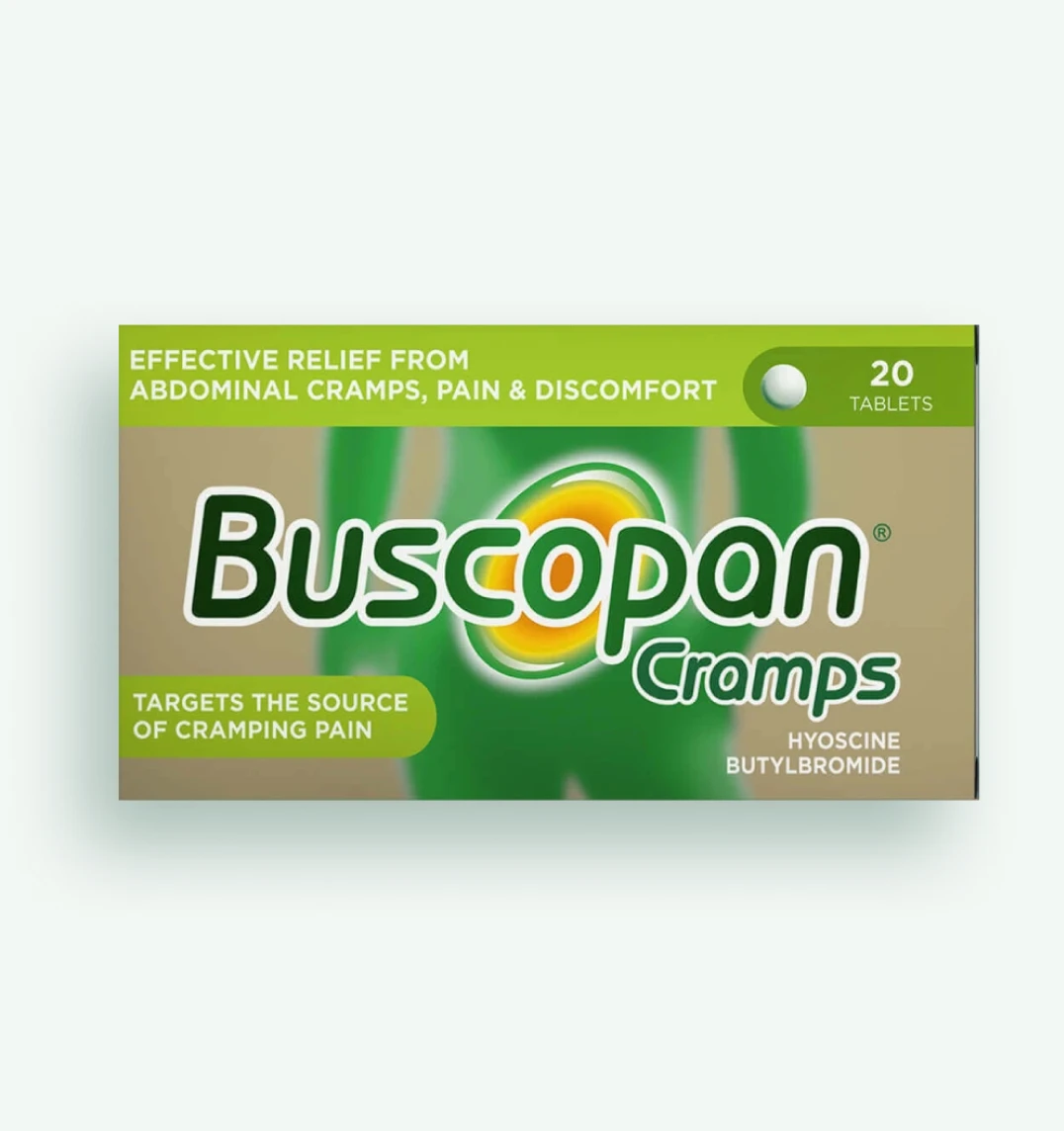
- Diagnosing IBS typically involves a combination of medical history, physical exams, and ruling out other conditions. Management strategies include dietary changes, stress reduction techniques, and medications to alleviate symptoms3. Buscopan® cramps helps with IBS cramps by targeting the source of the cramping pain. It uses an antispasmodic action that works directly on the muscles of your bowel to relieve the cramping muscle spasm that causes the pain and discomfort.
Inflammatory Bowel Disease (IBD)
- IBD includes two main conditions: Crohn’s disease and ulcerative colitis5. Crohn’s disease is a long-term condition that causes inflammation anywhere along the digestive tract, from the mouth to the bottom (anus), and symptoms vary depending on which part of the gut is affected4.
- Common symptoms include diarrhoea, stomach pain, tiredness, and loss of appetite or weight loss. Symptoms tend to come and go and diagnosis usually involves tests such as a colonoscopy, endoscopy, or imaging scans. Treatment ranges from anti-inflammatory and immune-targeting medicines to surgery, with the aim of helping people stay symptom-free for as long as possible4.
- For women, IBD often comes with extra challenges. Hormonal changes—whether during menstruation7 or pregnancy—can intensify symptoms, causing flare-ups when you least expect them. During pregnancy, careful management becomes even more important to reduce the risk of complications like preterm birth or low birth weight6. There’s also the concern of fertility, especially for women who have had pelvic surgeries like pouch surgery (restorative proctocolectomy) or proctectomy, which can cause scarring that affects the fallopian tubes and ovaries7. Speaking with your doctor about your individual situation can help you understand and manage these risks.
Other GI Issues
Women are also more prone to certain other gastrointestinal conditions, including gallstones and coeliac disease. The NHS lists being a woman as a known risk factor for gallstones, and the American College of Gastroenterology notes that American women between the ages of 20 and 60 are around three times more likely than men to develop gallstones. Coeliac disease follows a similar pattern: according to Cleveland Clinic, most adults diagnosed with coeliac[SR1] disease are in their 30s, 40s or 50s and most are women. These conditions further contribute to the complexity of managing abdominal pain and require tailored approaches for effective treatment8, 9, 10
Other non-gynaecological causes of abdominal pain
Abdominal pain in women can also result from non-gynecological causes such as urinary tract infections, kidney stones, appendicitis, and gallbladder disease11, 12.
Urinary tract infections occur when bacteria enter the urinary tract and common symptoms include a strong urge to urinate, a burning feeling while urinating, urinating more often, and pelvic pain.
Kidney stones are hard mineral deposits that form in the urinary tract with signs and symptoms including severe pain, nausea, vomiting, fever, chills, and blood in the urine.
Appendicitis is inflammation of the appendix and pain usually starts near the belly button before moving to the lower right side of the abdomen and getting worse, often requiring surgical removal.
Gallbladder disease, including gallstones, tends to cause pain in the middle of the tummy or just under the ribs on the right side, frequently triggered by fatty meals, and can also cause nausea and vomiting11, 12.
Abdominal pain in women is an issue that demands attention. It’s time we bring these conversations to the forefront and work towards a future where every woman can feel confident managing her health. If you are concerned that you may have one of the conditions discussed in this article, please consult your doctor.
Learn more
- Stress
The role of stress in abdominal pain

- Abdominal-Pain
Abdominal pain and cramping: Strategies for relief

- IBS
Healthy diet for optimal digestive health
- Abdominal Pain
Abdominal Pain in Men
Learn all about abdominal pain: what it is, what might be causing it, and when to see a doctor.
Find your product
-
For Abdominal Pain
-
For Irritable Bowel Syndrome (IBS)
-
For Abdominal Pain
-
For Irritable Bowel Syndrome (IBS)
.2025-11-11-10-48-59.webp)
References
- NHS. Stomach ache. Reviewed 2023. Available at: https://www.nhs.uk/symptoms/stomach-ache/
- NHS. Period pain. Reviewed 2024. Available at: https://www.nhs.uk/symptoms/period-pain/
- NHS. Irritable bowel syndrome (IBS). Reviewed 2023. Available at: https://www.nhs.uk/conditions/irritable-bowel-syndrome-ibs/
- NHS. Crohn’s disease. Reviewed 2023. Available at: https://www.nhs.uk/conditions/crohns-disease/
- NHS. Inflammatory bowel disease (IBD). Reviewed 2023. Available at: https://www.nhs.uk/conditions/inflammatory-bowel-disease/
- Crohn’s & Colitis UK. Pregnancy and birth with Crohn’s Disease or Ulcerative Colitis (IBD). Available at: https://www.crohnsandcolitis.org.uk/info-support/information-about-crohns-and-colitis/all-information-about-crohns-and-colitis/living-with-crohns-or-colitis/pregnancy-and-birth
- Crohn’s & Colitis UK. Reproductive health and fertility in Crohn’s Disease or Ulcerative Colitis (IBD). Available at: https://www.crohnsandcolitis.org.uk/info-support/information-about-crohns-and-colitis/all-information-about-crohns-and-colitis/living-with-crohns-or-colitis/reproductive-health-and-fertility
- NHS. Gallstones; Coeliac disease. Available at: https://www.nhs.uk/conditions/gallstones/, https://www.nhs.uk/conditions/coeliac-disease/
- American College of Gastroenterology. Gallstones in Women. Available at: https://gi.org/topics/gallstones-in-women/
- Cleveland Clinic Journal of Medicine. Celiac disease: Managing a multisystem disorder. Available at: https://www.ccjm.org/content/83/3/217
- Mayo Clinic. UTI myths and facts; Kidney stones – Symptoms and causes. Available at: https://newsnetwork.mayoclinic.org/discussion/mayo-clinic-q-and-a-6-uti-myths-and-facts/, https://www.mayoclinic.org/diseases-conditions/kidney-stones/symptoms-causes/syc-20355755
- NHS. Appendicitis; Gallstones. Available at: https://www.nhs.uk/conditions/appendicitis/, https://www.nhs.uk/conditions/gallstones/
- NICE. Irritable bowel syndrome in adults: diagnosis and management (CG61). 2008 (updated 2017). Available at: https://www.nice.org.uk/guidance/cg61