.2025-11-24-14-41-04.webp)
.2025-11-24-14-41-17.webp)
Learn about types of abdominal discomfort
You’re on your way home and, suddenly, you feel abdominal discomfort, cramps or you start to bloat. But why? There are several types of stomach pain and many possible causes – like food and stress. It’s important to get to the root of your symptoms and understand your triggers, so you can treat your abdominal discomfort.
How does your
abdomen feel?
32% of adults regularly suffer from some kind of abdominal discomfort1. It can feel like a knot, bloating or flatulence, or cramps, and it can vary in intensity, duration and location. Listening to your body will help you understand your symptoms. Types of stomach pain include:
Cramps or spasms.
Food, stress or intense emotions can produce this pain, which can be intense and attack by surprise.
Localised, constant pain.
This is felt in a specific area of the abdomen and may be an indicator of a problem in a particular organ.
Bloating.
This is a very common symptom that can be triggered by diet (food intolerance or sensitivity).
Where does it hurt?
Abdominal symptoms such as cramps, pain or bloating can surprise you at any time of the day. It’s important to detect where the problem is, and where it spreads to, as this can help your doctor work out the possible causes.
Upper abdomen
Problems with food can lead to pain in the upper abdomen. Indigestion and gastritis could be the cause.
Lower abdomen
Discomfort here can result from a problem in the bowel. Food or intense emotions often cause these types of stomach pain.
Middle abdomen
Problems in the intestines could be the culprit. Colitis is usually a common cause of pain in this area.
What causes stomach
pain?
In our daily lives, there are many things that can cause digestive discomfort.
Food.
Eating too much or eating out-of-date or spicy food often causes abdominal discomfort.
Stress.
Being stressed affects your body and mind. In stressful situations, stomach pain is one of the most commons symptoms.
What should you take
for your abdominal
discomfort?
Stomach pain and cramps are often mistreated with analgesics or antacids. But because most types of abdominal discomfort are caused by muscle spasms in the gut, they need to be treated with an antispasmodic medicine. Find out about suitable treatments.
Peppermint oil
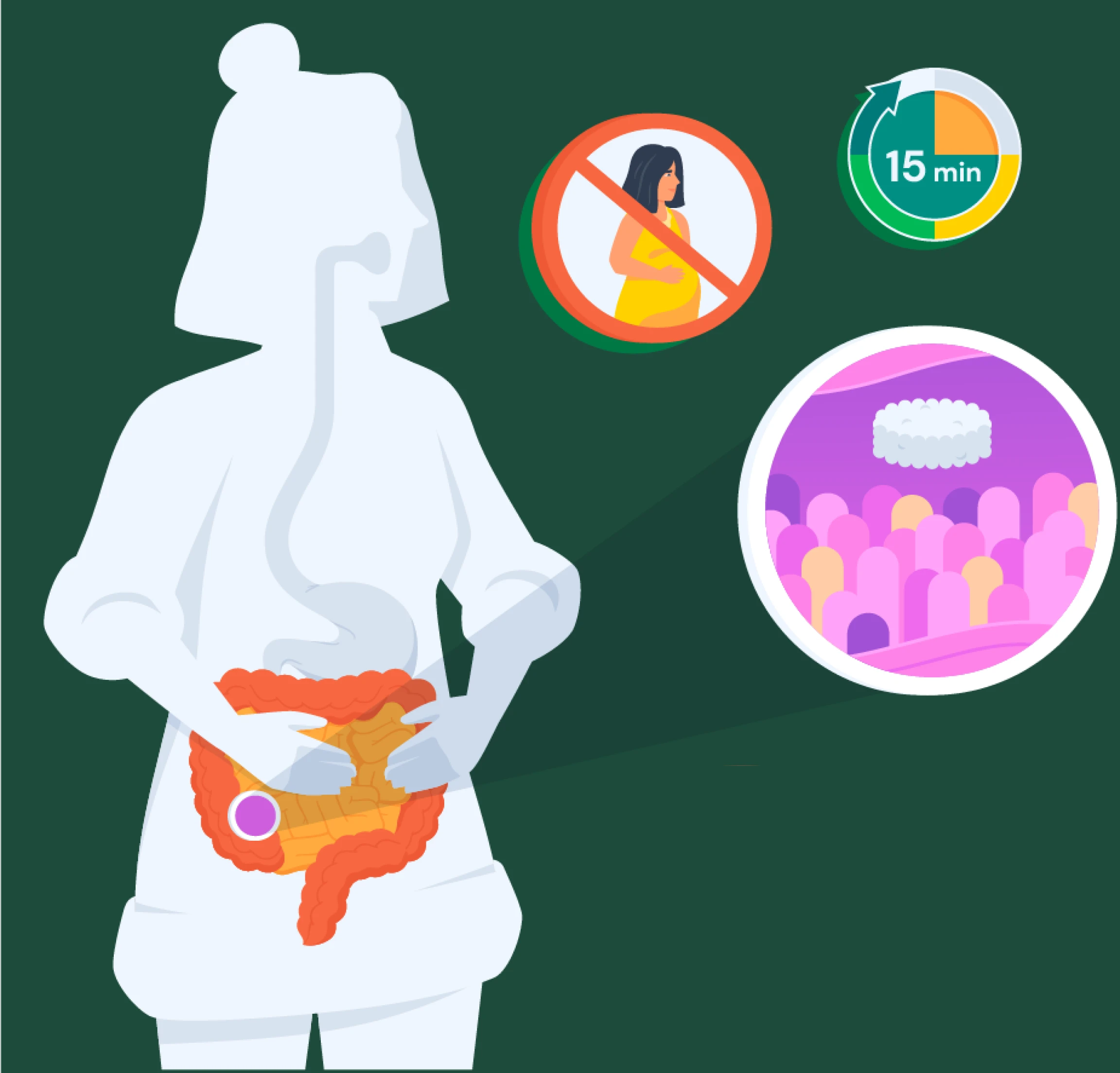
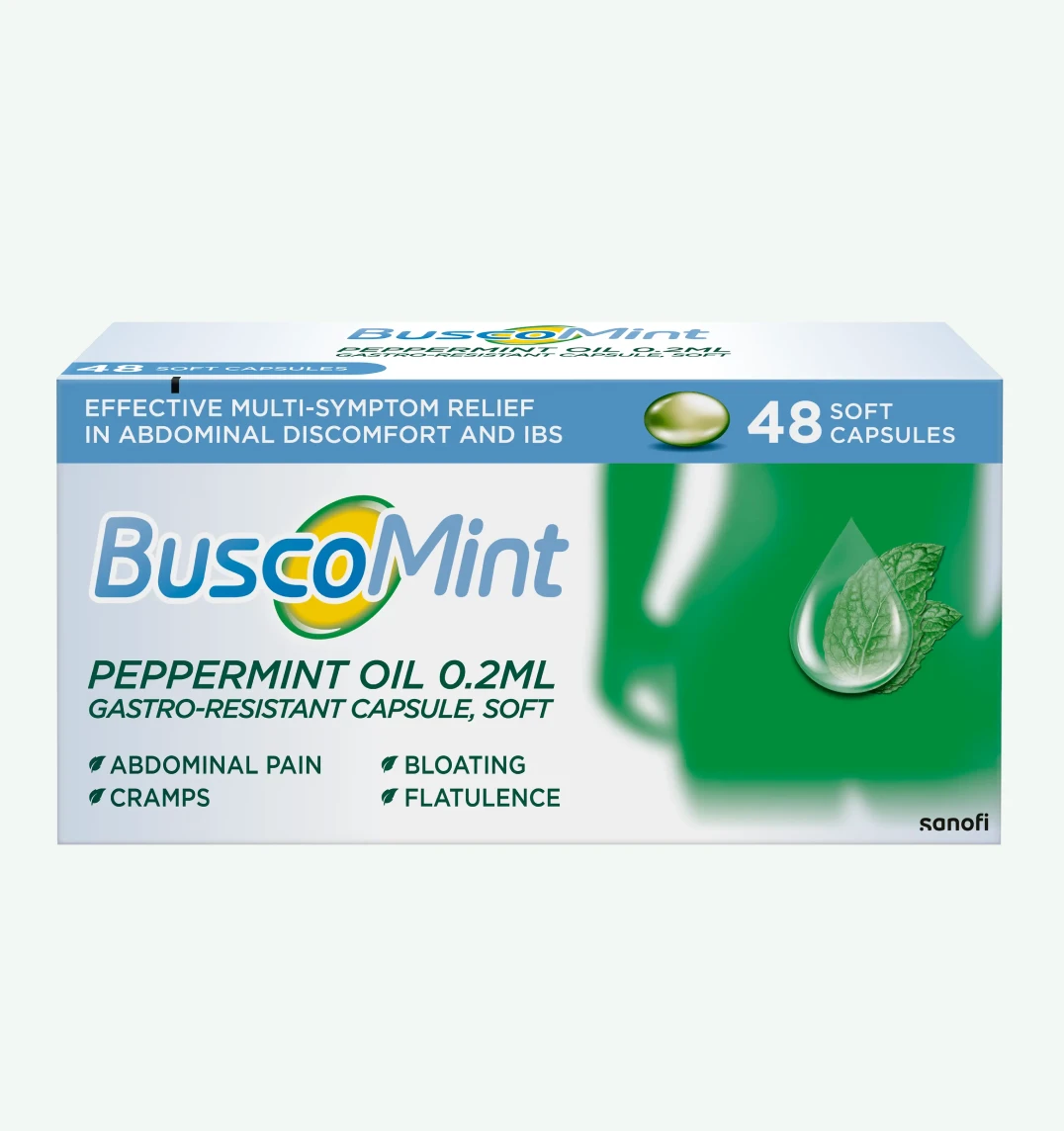
Can be found in Buscomint®. Peppermint has an antispasmodic action that helps relieve pain and cramps plus an antifoaming action for bloating.
Hyoscine Butylbromide
Can be found in Buscopan® Cramps. Hyoscine Butylbromide acts directly on your gut muscles to relieve abdominal cramps.
Understand your
abdominal discomfort
Which healthy habits can help me with abdominal discomfort?
Pain in the stomach can be caused by eating habits, stressful situations or life changes. Lots of things can help avoid them - including regular hand washing, following a balanced diet or managing stress.
How does a doctor determine the cause of abdominal pain?
To establish the causes of your abdominal discomfort, the doctor may do a physical exam and ask you specific questions about the location, type and intensity of the pain - as well as your medical history. Your doctor could also ask you to take additional tests to help eliminate or better establish possible causes.
What home remedies help alleviate abdominal discomfort?
To reduce pain while at home, try taking a hot bath or placing a warm compress on your stomach, drinking plenty of fluids and getting some rest. If the pain continues, see your doctor.
How can Buscopan® help me relieve abdominal discomfort?
Buscopan® can help you relieve abdominal discomfort linked to cramps because it relaxes the abdominal smooth muscles to relieve cramps. If you have more symptoms, consult your doctor.
Explore the Busco® range

.2025-11-12-10-14-37.webp)






Explore the rest of the Busco® range
-
For Irritable Bowel Syndrome (IBS)
.2025-11-11-11-48-59.webp)
-
For Abdominal Pain

-
For Abdominal Pain
-
For Irritable Bowel Syndrome (IBS)
References
- Boeringer Ingelheim – Buscopan quant growth potential study UK [10/11/2015]
- Leapfrog research and planning 2012